Sofia Woloschin
Psychotherapist · Clinical Hypnotherapist · Coach
I work with women experiencing anxiety, burnout, trauma, and life transitions. My work combines clinical hypnosis, strategic psychotherapy, and coaching, tailored to what you actually need rather than a fixed protocol.
I also coach technology and product leaders, drawing on thirty years of corporate experience at organisations including AWS, Accenture, and ANZ Bank. And I offer the Threshold Framework, a structured pathway for women navigating a restructure, a redundancy, or a leadership transition.
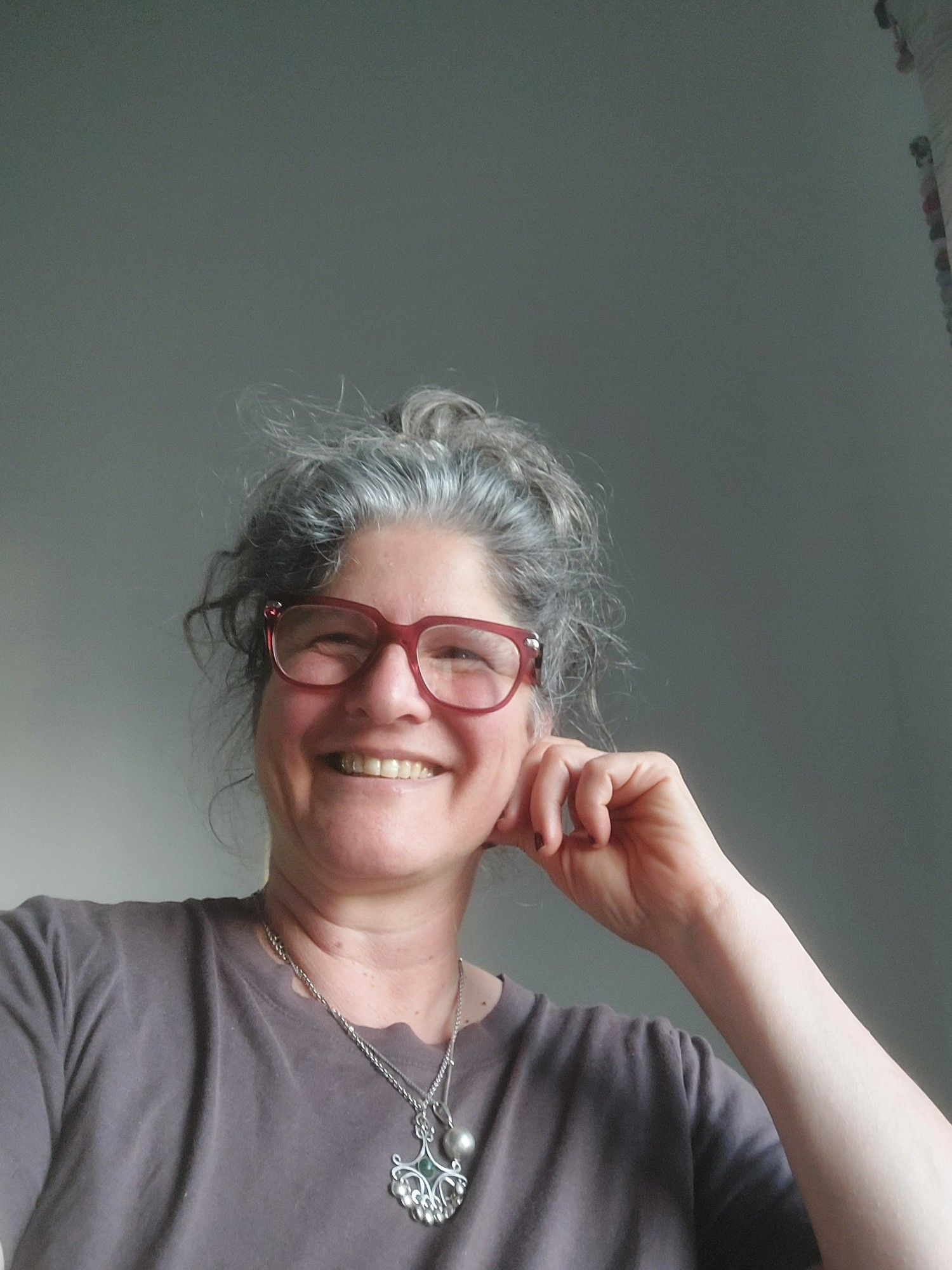
Insight wasn't the missing piece
I spent eight years in psychoanalysis. I came out with plenty of insight and not much actual change. What shifted things was solution-focused work. It let me re-define myself and how I think, rather than just understand how I got here.
When people are stuck, they're usually submerged in their own overwhelm. They can't see out of it, because they're inside it.
That's the core of how I work now. Rather than diagnosing a problem, I help clients spot the automatic patterns running underneath, and find the alternative perspective that was there the whole time, just out of view.
Before this practice, I spent thirty years in corporate technology: leadership, digital product development, and organisational coaching. That background is exactly why the executive coaching and Threshold Framework work exists: I've been in the room for the restructures, the promotions that didn't land, and the moment someone realises the old way of leading doesn't fit anymore.
Background
Clinical training
- 11271NAT Diploma of Clinical Hypnosis and Strategic Psychotherapy (AQF Level 5)
- Marshall Goldsmith Stakeholder Centered Coaching
- Coach Masters Academy Organisational Coach (ICF-accredited)
Academic & corporate background
- Bachelor's in Information Technology
- Postgraduate Diploma in Business Administration
- Thirty years across AWS, Accenture, and ANZ Bank in leadership, product, and organisational coaching roles
Book a free initial consultation
Thirty minutes, no cost, no obligation: a genuine conversation to see whether this is the right fit.
Book a consultation